
Gateway Golf: Designing Short Game Golf Courses
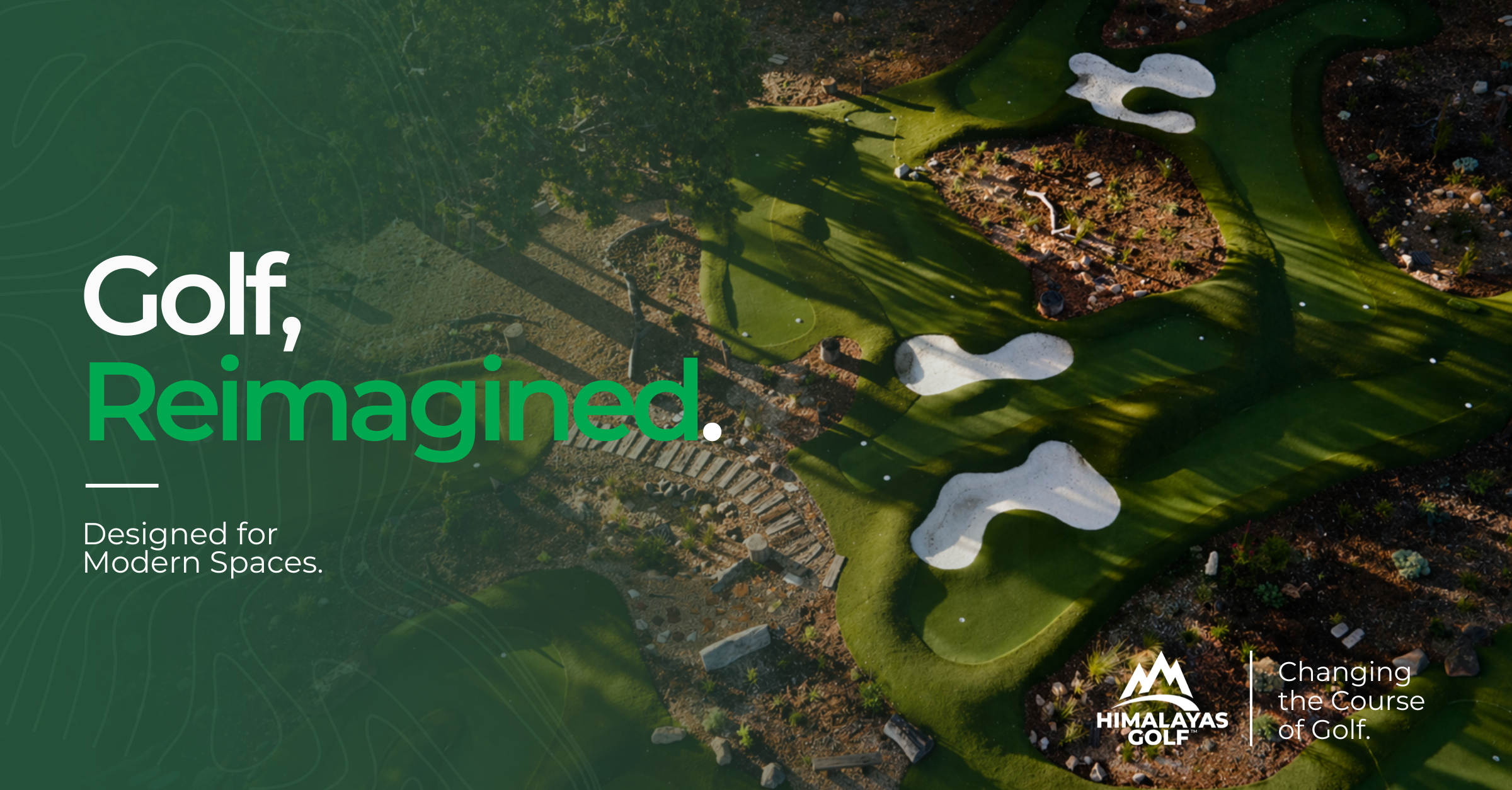
Short-format golf courses can act as “gateway experiences” to the full game of golf.
Follow-Up to "The Short and Sweet of Golf and Sustainability" (December 2020)
Award-winning golf architect Paul Jansen points to a stat that reframes how we should think about golf design entirely: roughly 75% of golf shots are played within 125 yards of the hole. If three-quarters of the game happens inside a wedge’s reach, why do we keep building, maintaining, and marketing golf as if the driver were the whole sport?
Five years ago, I wrote about Paul Jansen and his conviction that short-format golf is one of the most powerful sustainability levers in the game (link: above). Paul’s thesis — that beginner-friendly golf should be a forethought rather than an afterthought — has only strengthened since 2020 as par-3 courses, pitch-and-putts, putting courses, short-game parks, and night-lit golf experiences have emerged as practical solutions to golf’s biggest challenges: cost, time, access, land pressure, maintenance intensity, and long-term participation.
Short-format golf is no longer a side attraction. It is one of the clearest pathways toward a more profitable, sustainable, and welcoming future for the game. Through Driving the Green and Himalayas Golf, Paul Jansen and I are inviting golf course owners, municipalities, developers, clubs, and investors to explore how short-format golf can unlock underused land, grow revenue per acre, lower barriers to entry, and create facilities built for the next generation of golf.
Start the conversation here.
Read further for in-depth content and case studies!
Recent Proof-of-Concept at The Park, West Palm Beach:
“The Lit 9"
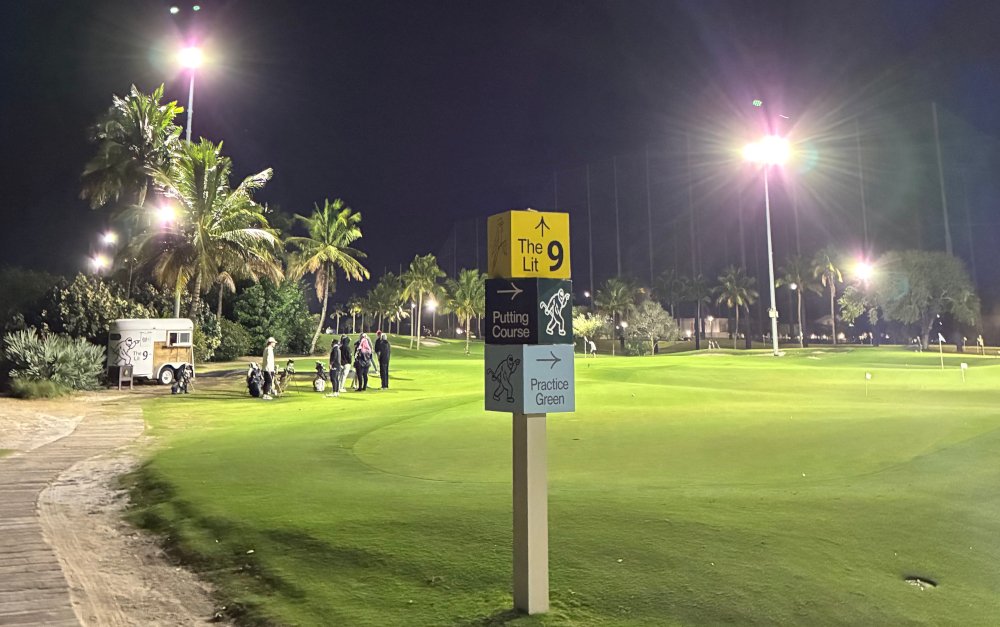
“The Lit 9”
The Park in West Palm Beach is a celebrated municipal golf course known for its inviting facilities with fair prices and accessible options for players of all abilities.
In 2023, Gil Hanse, Jim Wagner, and co-designer Dirk Ziff opened The Park in West Palm Beach — a reimagining of the old municipal West Palm Beach Golf Course, funded privately (roughly $56 million raised without public money) and returned to the community as a public facility. The marquee 18 gets the press, but the facility's quiet revolution is The Lit 9: a nine-hole par-3 course lit for night play, designed to complement the championship course and open from 10am to 9pm daily.
The Lit 9 is a wedge-and-putter loop: nine short par 3s, walk-up tee times, extended hours under the lights, with its finishing "hole" as a 150-foot putt (including a hole-in-one prize challenge). Golf is distilled to its most-played shots, and accessible to all (including dogs), while sitting on just a sliver of the overall property.
Here's where Jansen's 75% figure aligns with the 80/20 principle of business (that roughly 80% of outcomes result from 20% of sources)...
The Lit 9 delivers roughly 75% of the golf experience. It includes all the wedges, all the putts, all the decision-making and feel shots that ultimately make beginner golfers fall in love with the game and then play it for life — on what I'd estimate is about 10-15% of the land of a full-sized course.
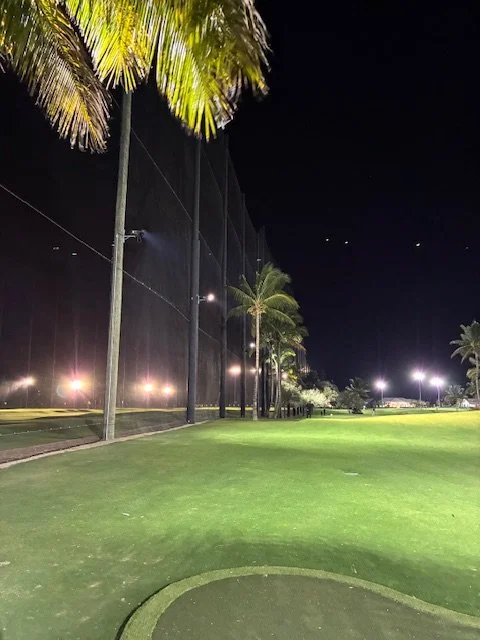
“The Lit 9” (West Palm Beach)
The Park’s range next to the lit up par-3 9-hole course with its artificial tees and well manicured greens/fairways.
In this recent case, The Lit 9, its adjacent “Himalayas-style” putting course, and the short-game practice area stay busy long into the night, with food, drinks, and music creating a relaxed atmosphere. It bustles with locals of all ages, with free after-school golf and learning programs for youngsters. The Park celebrates golf as a public park.
Why This Model Is Sustainable — Operationally and Culturally
When I talk about sustainability in golf, I don't just mean pesticides, water use, and turf reduction (though short courses crush traditional layouts on all three).
I mean operational sustainability: the ability of a facility to keep the lights on, fill the tee sheet, and stay relevant.
Short-format golf wins on both scorecards simultaneously:
Lower maintenance costs: fewer maintained acres, less irrigation, less fertilizer (especially when incorporating high-quality artificial turf), less labor, less fuel.
Revenue per acre goes up. Short courses turn over faster. A lit par-3 course can run from sunrise to 9 p.m., hosting rounds that a full 18 simply can't accommodate.
Tee sheets fill during off-peak hours. Evenings, weeknights, quick after-work loops — these are revenue hours the big course doesn't capture.
Lifetime customer value grows. This is the "gateway" part. You get a beginner, a kid, a spouse, or a lapsed golfer hooked on The Lit 9 at $30, and in a year or two they're buying clubs, taking lessons, and booking the big course. Golf sports a high lifetime value considering its participants can play from infancy well into older age. A lit up short course invites young golfers to play well into the twilight hours, and well into their twilight years. The whole industry benefits.
The Barriers that Golf is Resolving
The National Golf Foundation has been consistent for years about what keeps people out of the game. The most frequently noted hesitations among non-golfers are cost, time, confidence, and ability. GolfNow reports similar findings, showing that 43% of surveyed golfers cite cost as the primary deterrent from playing. And the intimidation factor is very real: on-course golf is seen by many as intimidating, exclusive, and hard to understand.
Meanwhile, the population that can afford a country club is often too busy to actually use it. Golf competes against an endless menu of recreational options. Four-plus hours on a course is a tough sell against a Peloton ride, a pickleball match, or a movie.
Short-format golf is the most direct structural answer the industry has to all three barriers at once.
Cost: a $20-$30 round instead of $80-$200.
Time: 45 minutes to 90 minutes instead of 4.5 hours.
Intimidation: wedges and putters only, no dress code dramas, lower stakes.
This is also why the off-course segment has boomed. According to the NGF, total U.S. off-course golf participants (19 million) nearly matched total on-course participants (29.1 million) in 2024. People want to hit golf shots while socializing. They just don't want the five-hour, $150, intimidating version as their first exposure. Topgolf and simulators have proven this at scale. A well-designed pitch-and-putt or short course is the bridge from those off-course experiences back onto real grass.
The Thesis of Himalayas Golf: Beginner-Friendly Golf as a Forethought, Not an Afterthought
Here's where Paul Jansen's work and the success of projects like The Park lead us.
Beginner-friendly, short-format golf should be a primary forethought for every facility, at every level, regardless of size.
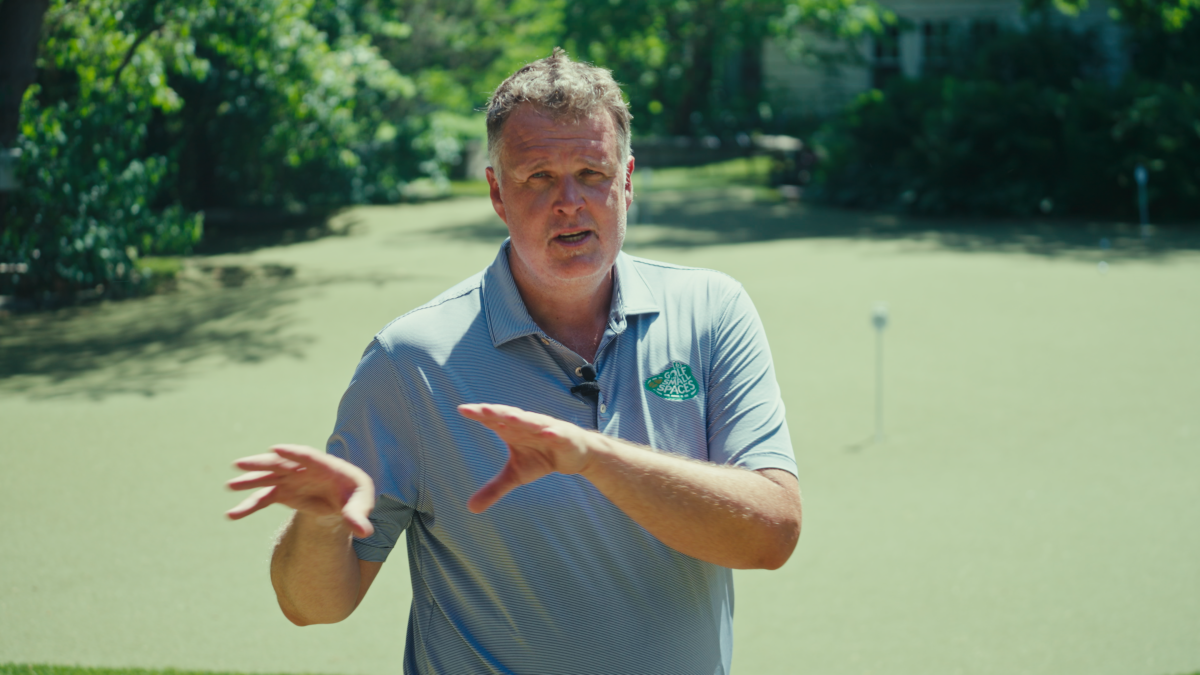
Golf course architect Paul Jansen at the Donalda Club in Toronto, Ontario, Canada
Not a kids' area tucked behind the maintenance shed. Not a neglected par-3 loop nobody markets. A deliberately designed, well-lit, well-programmed short-game facility that is treated as a core revenue and growth asset — on equal footing with the championship 18.
For new builds: start with the short course. Route it first. Design it to be the social heart of the facility. Let the big course grow out from there.
For existing facilities: look at your least productive acres. The tired back-nine corridor that plays twice a week. The driving range that shuts down at sunset. There is almost certainly a short-format play that would generate more rounds, more revenue, and more new golfers than what's there now:
Pitch and putt
Mini golf
Par-3 loop
Night time short course
Reversible nine
This is the conversation Paul Jansen and I want to have with course owners, municipalities, developers, and investors. The economics work, the sustainability case is strong, and the cultural moment is right.
Golf spent the back half of the 20th century designing for the 25% of the game played beyond 100 yards. The next generation of great facilities will be founded upon the 75%, and they will be more profitable, more sustainable, and more welcoming because of it.
Short format golf is the gateway to lifetime golf customer value for the whole industry.
It's time to design like we know it.
For more on this design philosophy, see the original piece: "The Short and Sweet of Golf and Sustainability." Paul Jansen is a golf course architect focused on sustainable and community-oriented design (read more below).
For project inquiries and collaboration, contact Himalayas Golf through THIS LINK.
About Paul Jansen — Himalayas Golf, Inc.
Paul Jansen is a golf course architect with 25 years of experience specializing in short-format and sustainable golf design. His work spans municipal facilities, private clubs, resort properties, and community golf parks in 25+ countries throughout Asia, Europe, North America, and Australia. Author of “Golf: Sustainable by Design”.
Sample Projects of Himalayas Golf
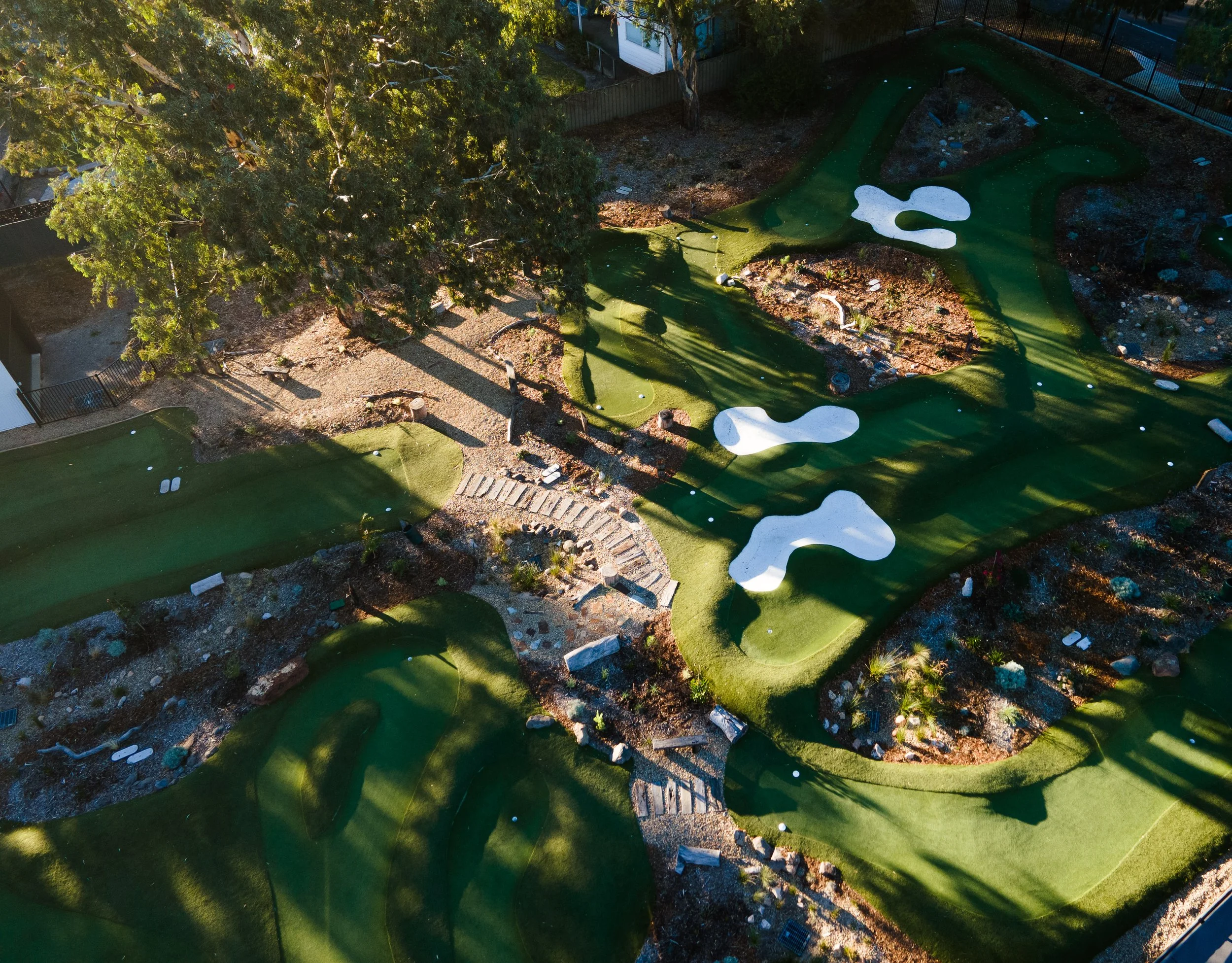
18-hole putting course & practice facility - Introduced families and community members to golf, increasing social memberships by 900% (from 50 to 500).
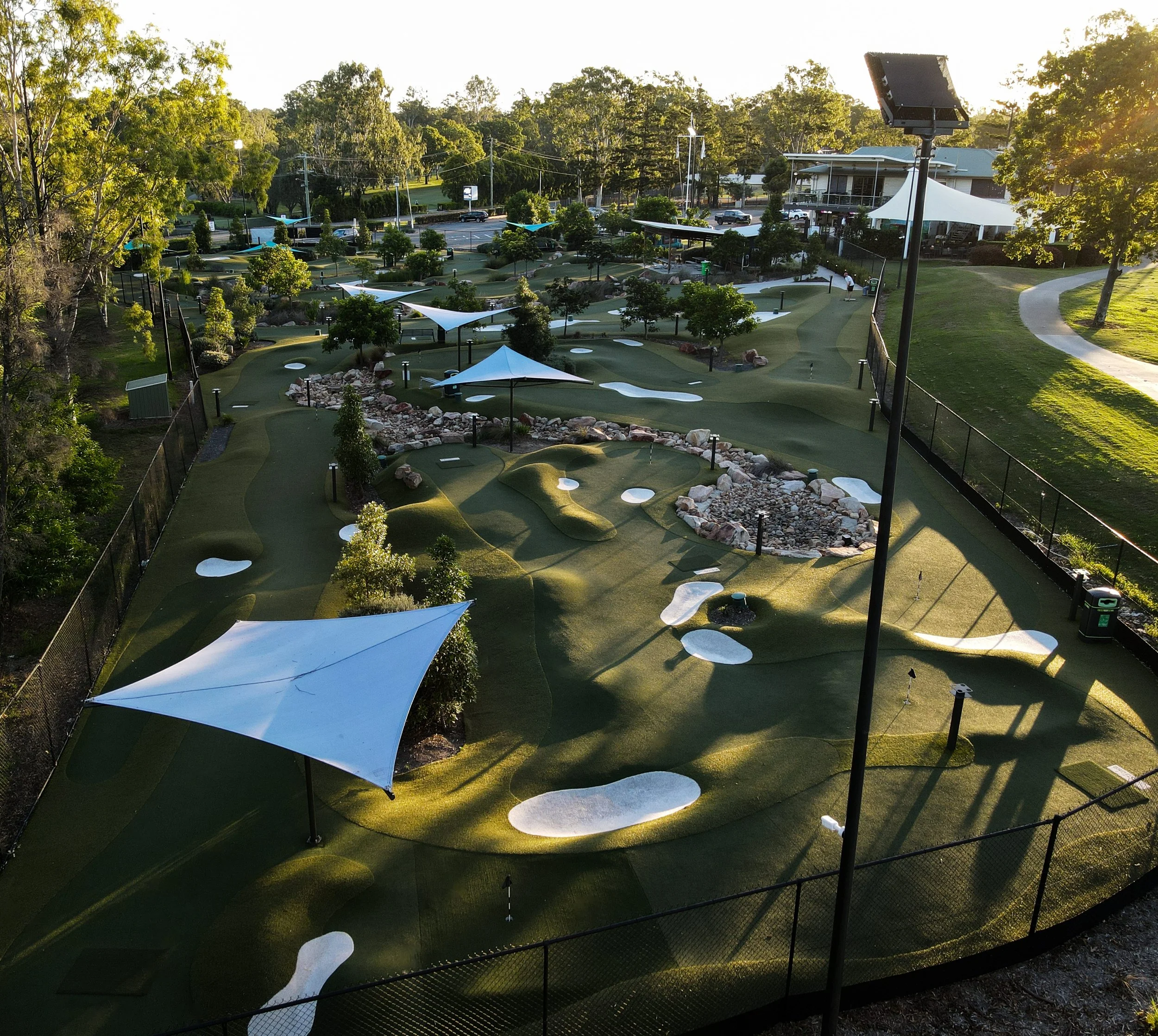
18-hole putting course - Revitalized the club & community by introducing events like night markets. Recouped investment in 3.5 years.
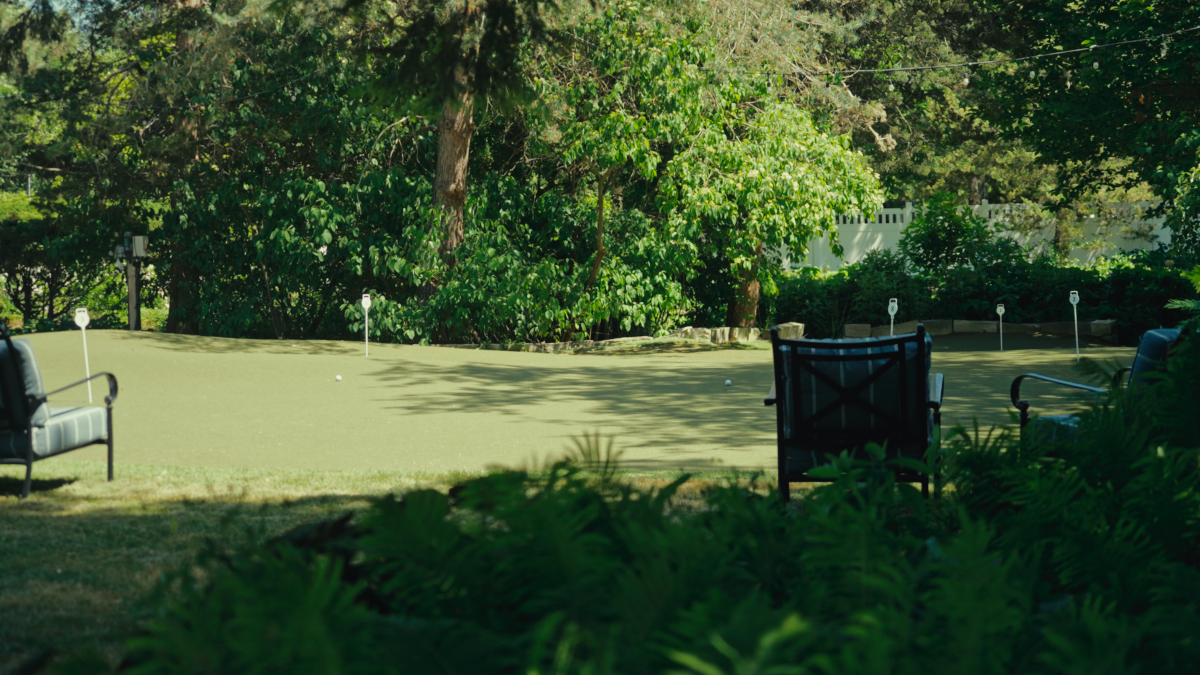
Community Putting Green - Turned unused space into a multi-functional area used for both practice and social purposes. Minimal maintenance is required from the club, with high impact on member experience.
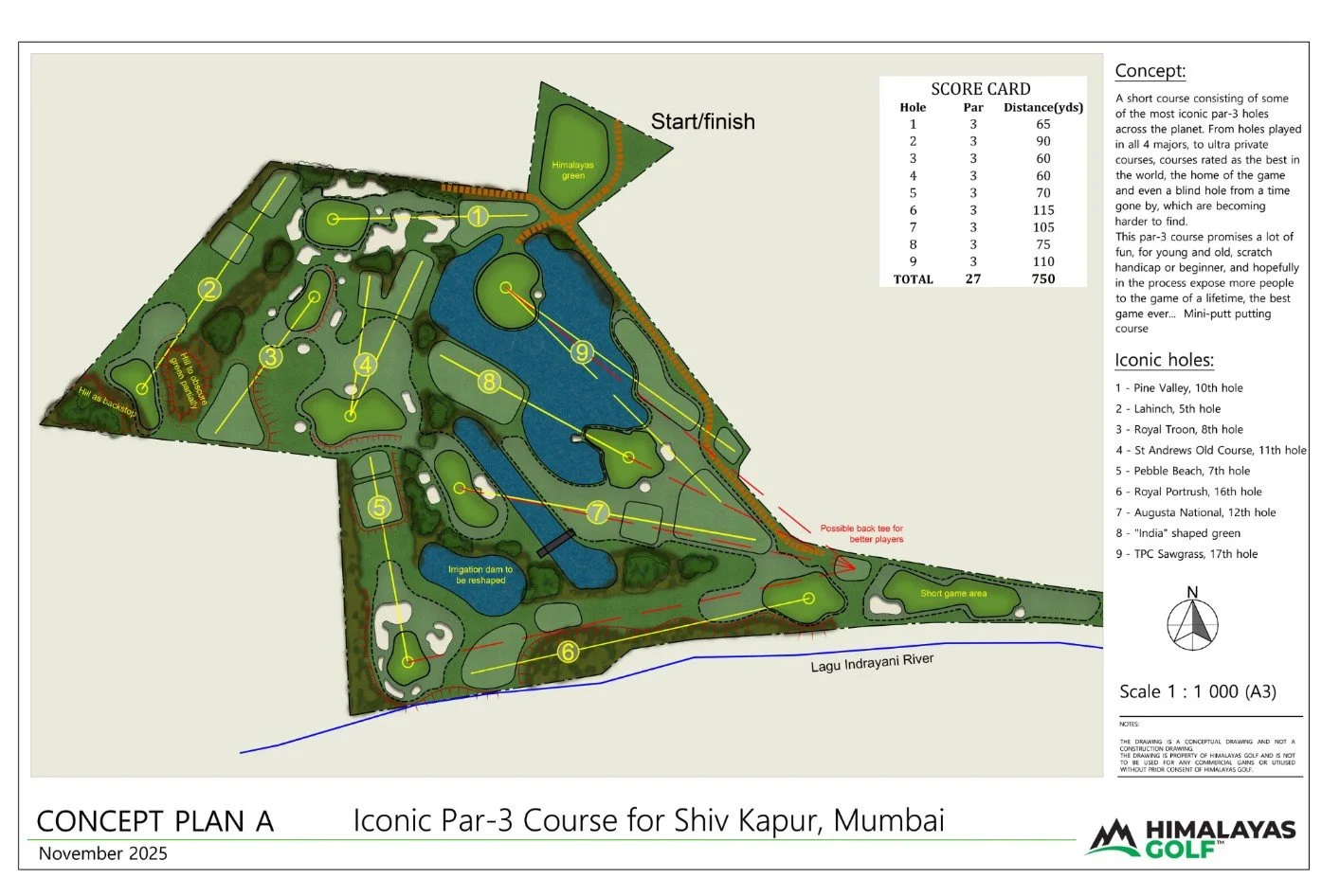
Mumbai, India - 9-hole Par Course (Under Construction) - Set on a compact footprint, this course minimizes land use, that will offer an accessible and engaging golf experience to help grow the game in India.
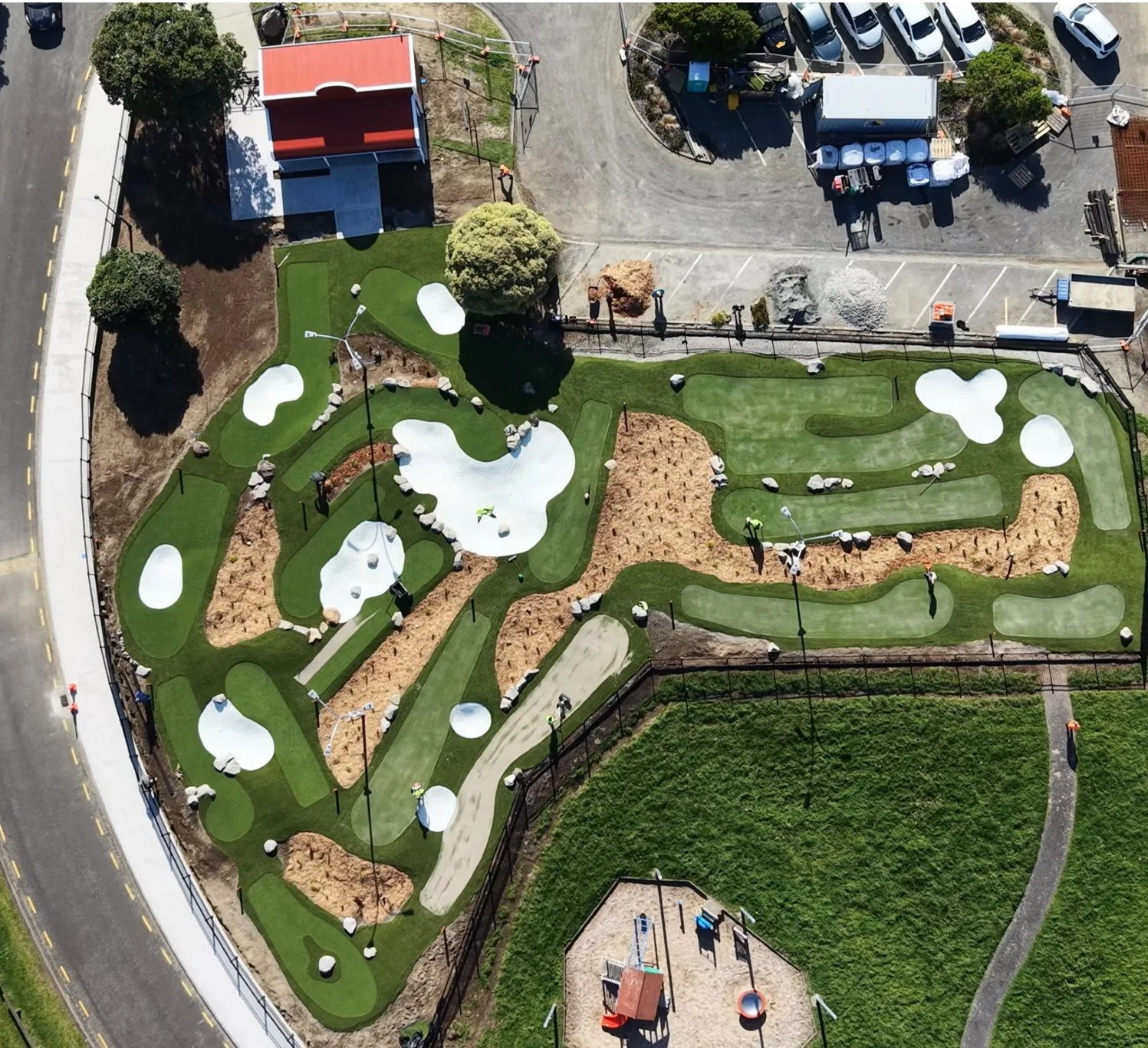
Built on idle park land as a joint project by local Lions & Rotary Clubs, titled "Golf for Good." The course has brought people together, attracting over 20,000 visitors in the first 10 weeks, and $60,000 in proceeds distributed back to community clubs for charitable purposes.
Interested in working with Himalayas Golf? Get the conversation started HERE.