
Stories, ideas and solutions to create a more fun, inclusive and regenerative world in and around golf
Our Articles
Browse by topic or keep scrolling to see our full blog since 2020.

What's Under the Green: The Soil Science Behind Regenerative Golf
Discover from AgSource how soil health is shaping the future of regenerative golf. From soil testing and turfgrass biology to water conservation, nutrient efficiency, and better playability, learn how golf courses can use data-driven soil management to reduce inputs, build resilience, and create healthier playing surfaces from the ground up.

Golf as a Regenerative Business
Golf is enjoying its best financial run in twenty years: record participation, record rounds, and real pricing power. But the industry's own data shows its biggest levers flattening, from water efficiency gains slowing to 3.2% since 2020 to a demographic tailwind with a published expiration date. This article introduces the Five Wealths Framework, a regenerative business model for golf courses that treats Financial, Natural, Human, Social, and Cultural Wealth as interconnected accounts that compound together. Drawing on NGF, NGCOA, and GCSAA research, it offers golf owners and operators a practical lens for converting today's record revenues into soil health, staff retention, community trust, and a brand story that builds durable, long-term value. The question isn't whether your golf business is converting one form of wealth into another. It's whether you're doing it consciously.
Gateway Golf: Designing Short Game Golf Courses
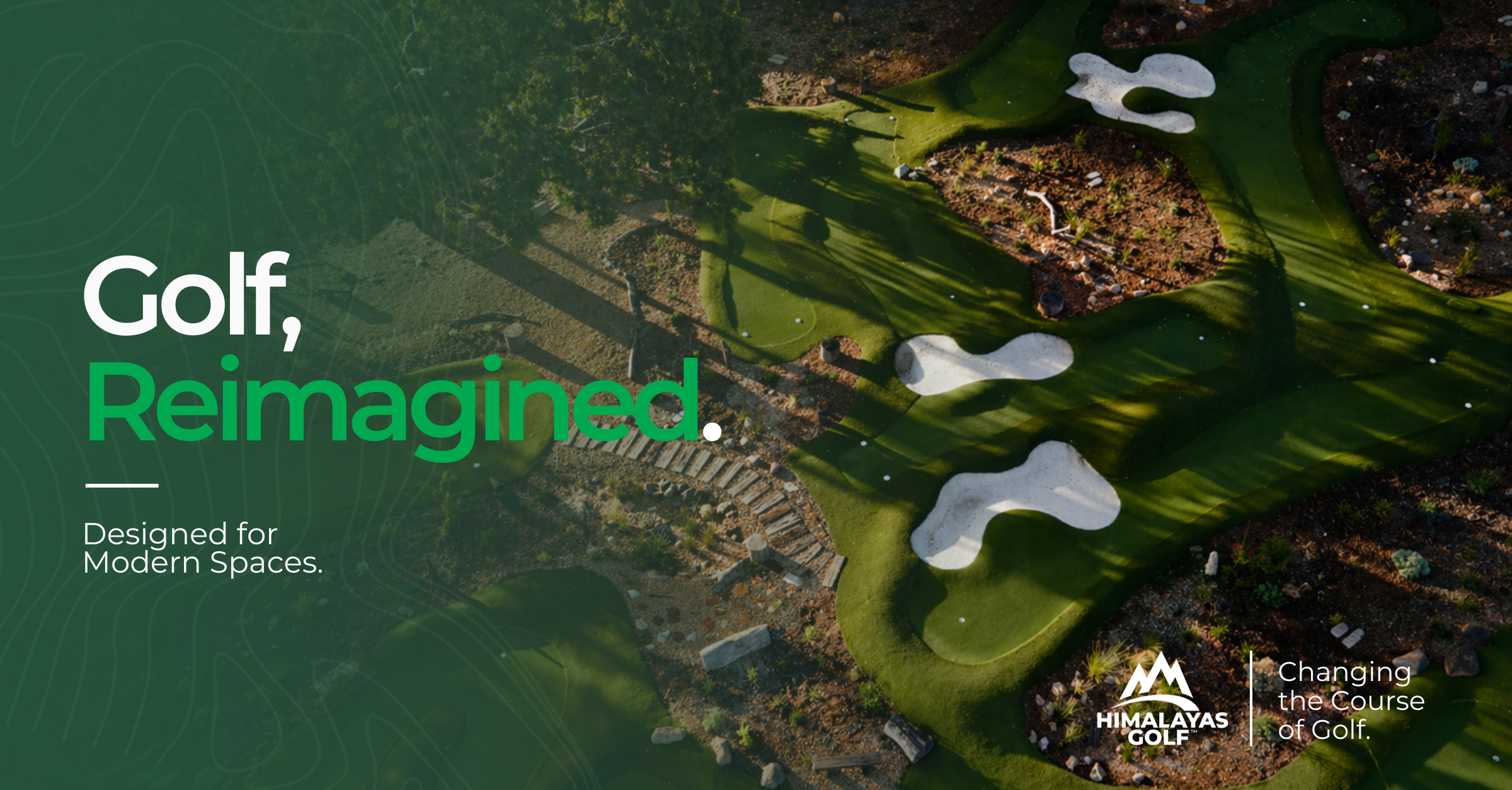
Award-winning golf architect Paul Jansen points to a statistic that should reshape the future of golf course design: roughly 75% of golf shots are played within 125 yards of the hole. If most of the game happens inside a wedge’s reach, why do so many golf facilities continue to prioritize long holes, large footprints, and resource-intensive maintenance models? Short-format golf (including par-3 courses, pitch-and-putt courses, putting courses, short-game areas, and night-lit golf experiences) offers a more accessible, sustainable, and profitable model for the future of the golf industry.
After decades of designing around the 25% of the game played beyond wedge range, the next generation of successful golf facilities will be built around the 75%: the scoring shots, feel shots, and beginner-friendly experiences that grow participation, improve revenue per acre, reduce environmental impact, and welcome more people into golf.
Pondering Pond Quality & Holistic Turf Health
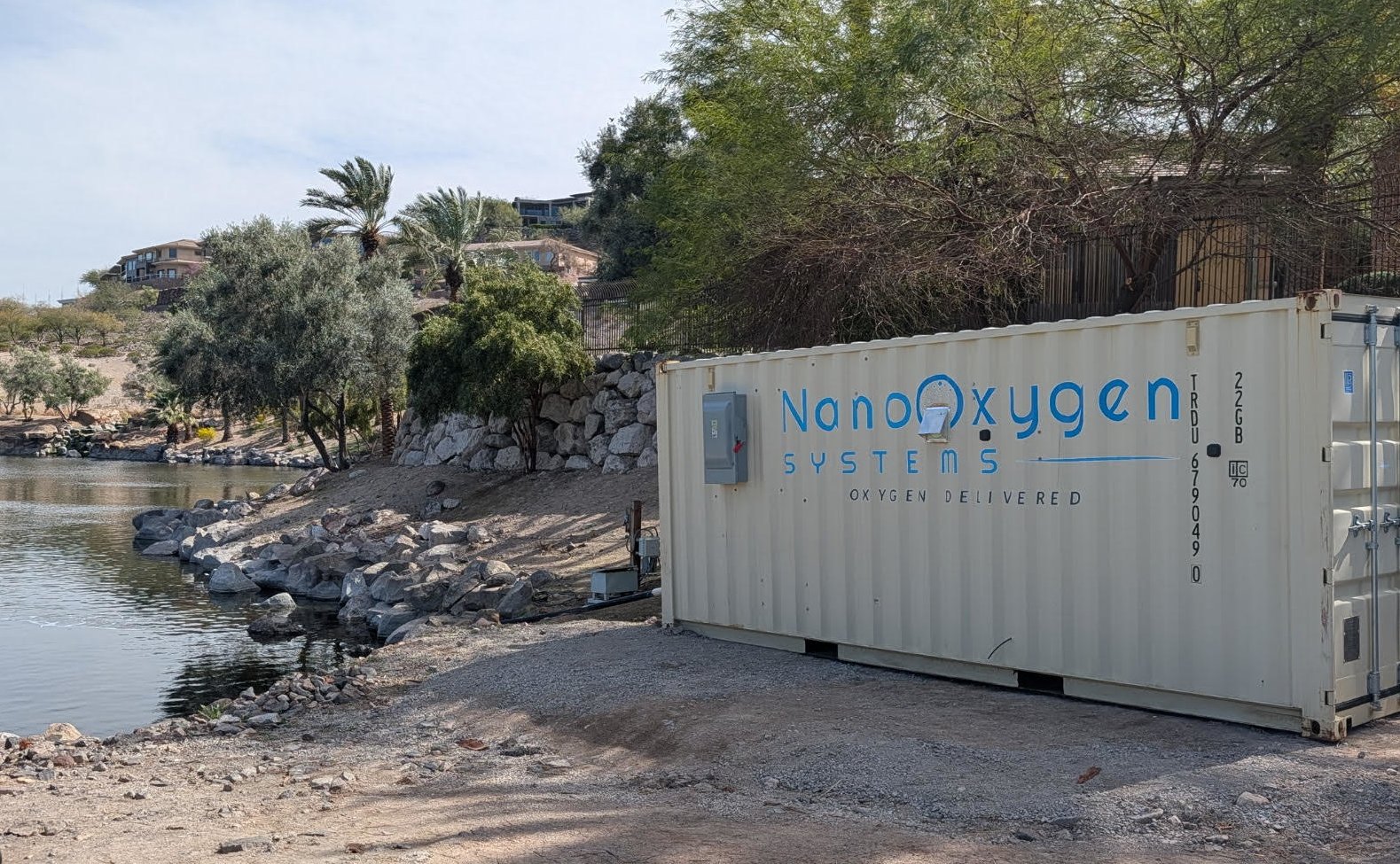
In this Driving the Green interview, NanoOxygen Systems founder Ron Pote explains how water quality and dissolved oxygen influence sustainable golf course management. Drawing from projects like East Lake Golf Club, the conversation explores how improving irrigation water can enhance turf health, soil biology, and golf course sustainability while reducing chemical inputs and water use. By mimicking the oxygen-rich qualities of rainwater, new technologies may help superintendents manage irrigation ponds, reclaimed water, and turf systems more holistically (supporting both environmental performance and golf course profitability).
Engineering, Intuition, and the Future of Turf
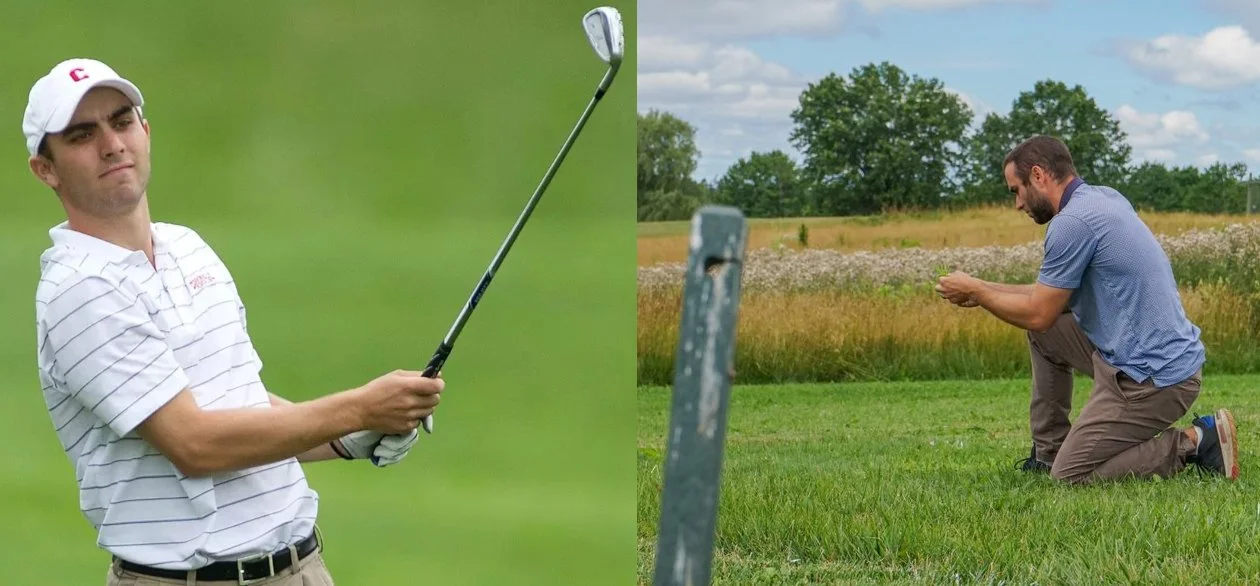
What does playing great golf share in common with stewardship of healthy and sustainable turf? Carl (Cornell Turfgrass Team) and Andre (Driving the Green) discuss the very practical balance between systematic measurement and tactical feel, or between theory and follow-through when it comes to turf management.
Behind the Scenes of a Sustainable Golf Tournament (Mitsubishi Electric Classic): Lessons from Ashley Hamilton
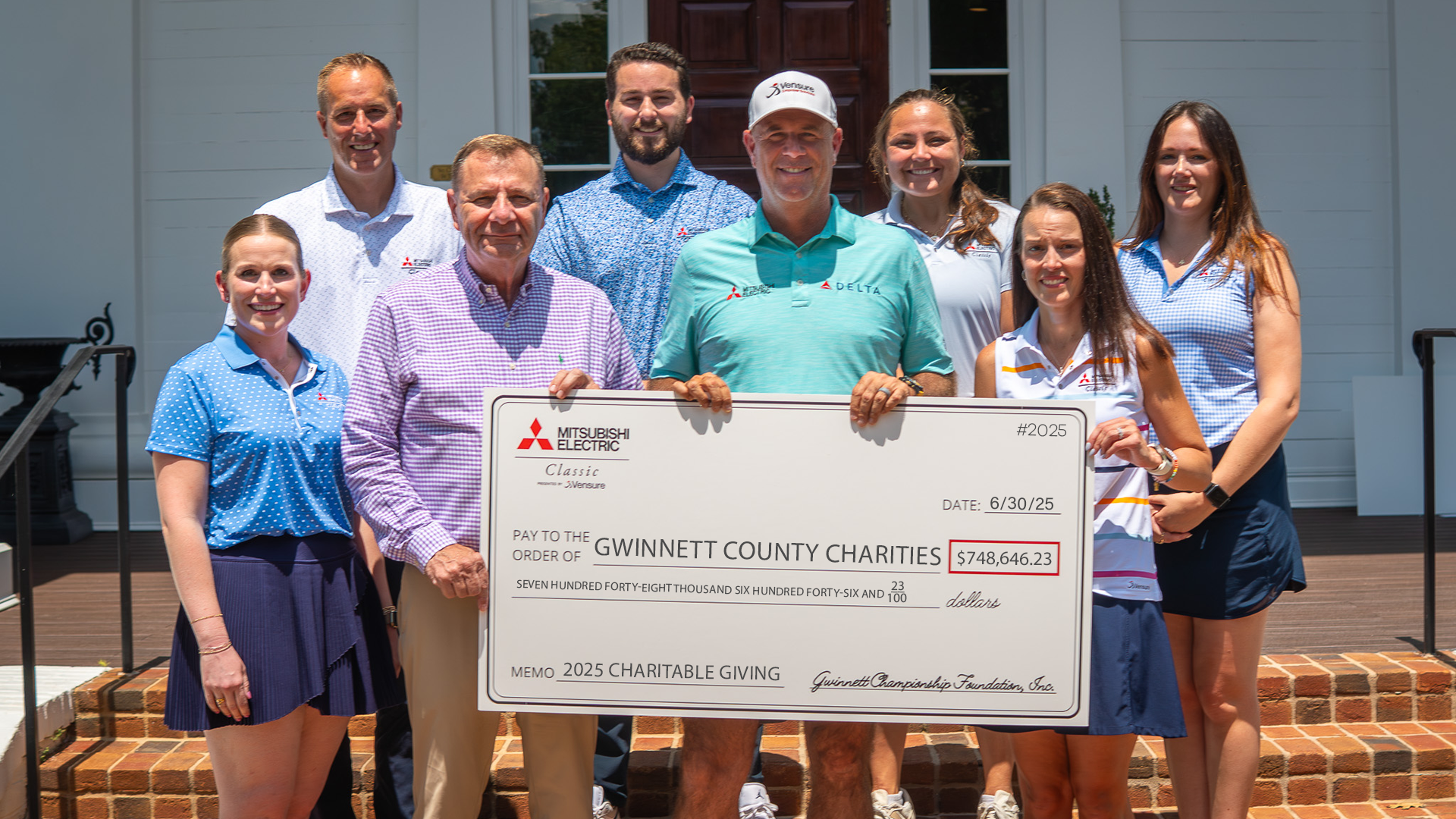
The Mitsubishi Electric Classic offers a leading example of sustainable golf tournament operations, demonstrating how environmental stewardship, community impact, and smart business practices can work together. In this interview, Senior Tournament Director Ashley Hamilton shares how the tournament embedded sustainability into core operations—through initiatives like digital ticketing, reusable signage, material recycling, food donation, and partner-funded community programs—long before publishing its first sustainability report in 2024. By prioritizing measurable, repeatable actions and leveraging long-term partnerships, the Mitsubishi Electric Classic shows how golf tournaments can reduce waste, strengthen local communities, and scale sustainability without disrupting fast-paced event environments.

Sustainability Spotlight: The Restoration of the Great Dunes Golf Course, Jekyll Island, GA
Even if you don’t play golf, do yourself a favor and take a detour to Jekyll Island. The golf course is a true testament to what can happen when sustainability and conservation are at the forefront of a golf course development project. The work of Ross and Stein and their willingness to work within the parameters of the JIA’s development restrictions will impress golfers for generations to come.

Pro Sport as Catalyst for Change: Previewing the World Cup (2026) & Olympic Games (2028)
In celebration of this year’s Green Sports Day, we’re looking towards the global sporting events coming to the U.S. in the next couple of years and how they’re influencing the sustainability of sports venues and operations here. Next summer, eleven U.S. cities across the country will host games for the FIFA World Cup. In 2028, Los Angeles will host the 2028 Summer Olympic Games (LA28).

Into the Woods: A Future-Fit Nature Immersion with Author and Regenerative Leadership Coach, Giles Hutchins
No one is here to "save" the planet, and if anything, it's here to save us - away from the mechanical and technocratic tendencies of a modern materialism that misperceives itself as separate from the living world. What toward? More flow, healthier alignment, deeper fulfillment, and greater possibilities, rooted within a wisdom that is over 3.8 billion years old.

What does Happy Gilmore 2 say about modern golf culture?
Happy Gilmore 2 highlights the ethics & essence of golf (integrity) vs the forces trying to separate and commercialize it for maximizing personal, short-term gain (i.e. “Maxi Golf”). The sequel is a respectable comedy in a modern world that’s devoid of fun comedy movies. Happy Gilmore 2 brings in hot-button subjects and portrays the wrestling of golf’s core ethics within its economic model for success (something like financial sustainability vs socio-cultural and interpersonal sustainability).