Behind the Scenes of a Sustainable Golf Tournament (Mitsubishi Electric Classic): Lessons from Ashley Hamilton
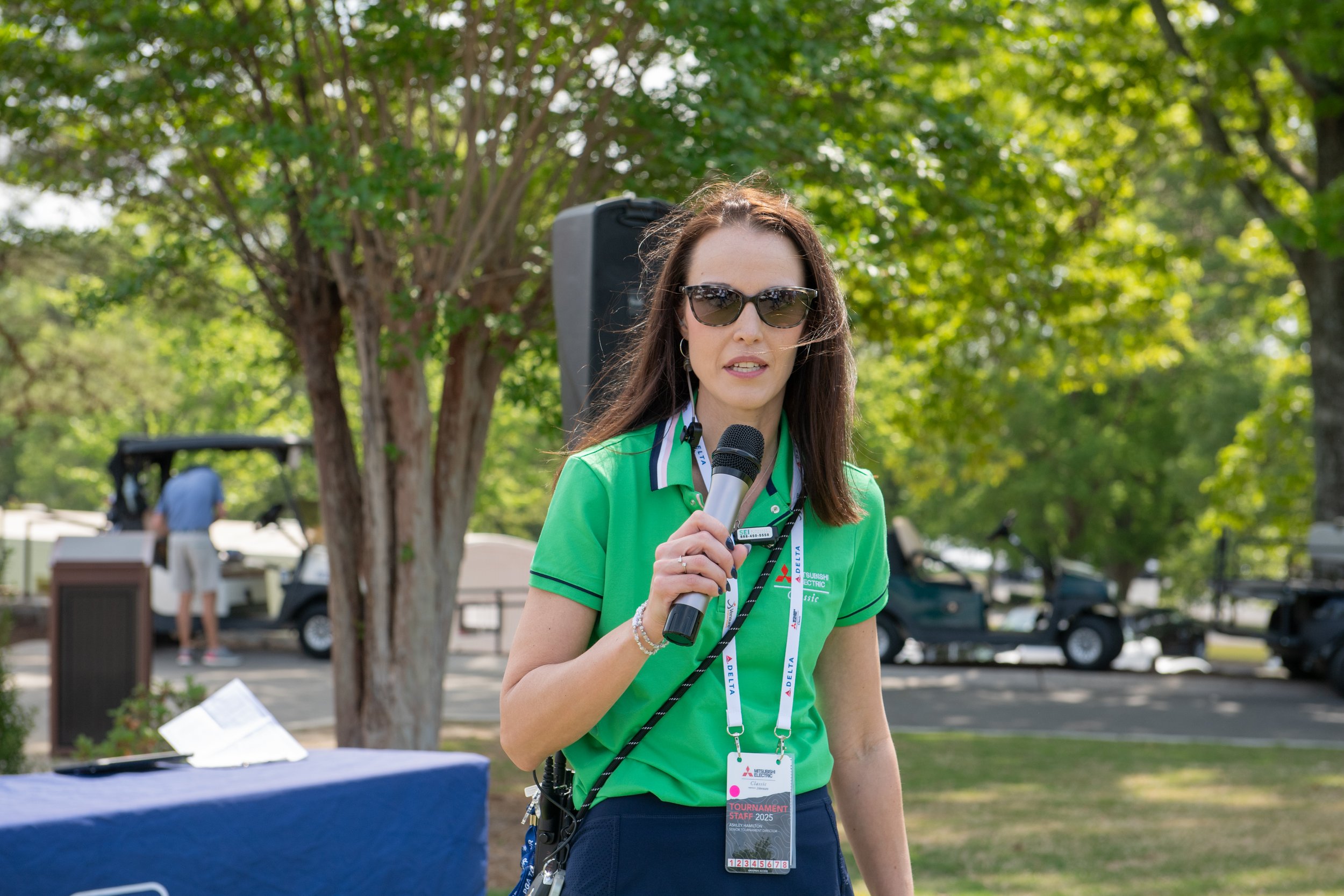
Last week, I sat down with Ashley Hamilton, Senior Tournament Director at the Mitsubishi Electric Classic, who has done a phenomenal job building out the tournament’s sustainability program. When Mitsubishi Electric, the title sponsor, asked her to develop the sustainability program, her team was excited to highlight what the tournament was already doing for the environment and the community, as well as to create new sustainability initiatives. “We knew it was a responsible way to run a major outdoor event, and it aligns with the core of who we are,” Ashley stated.
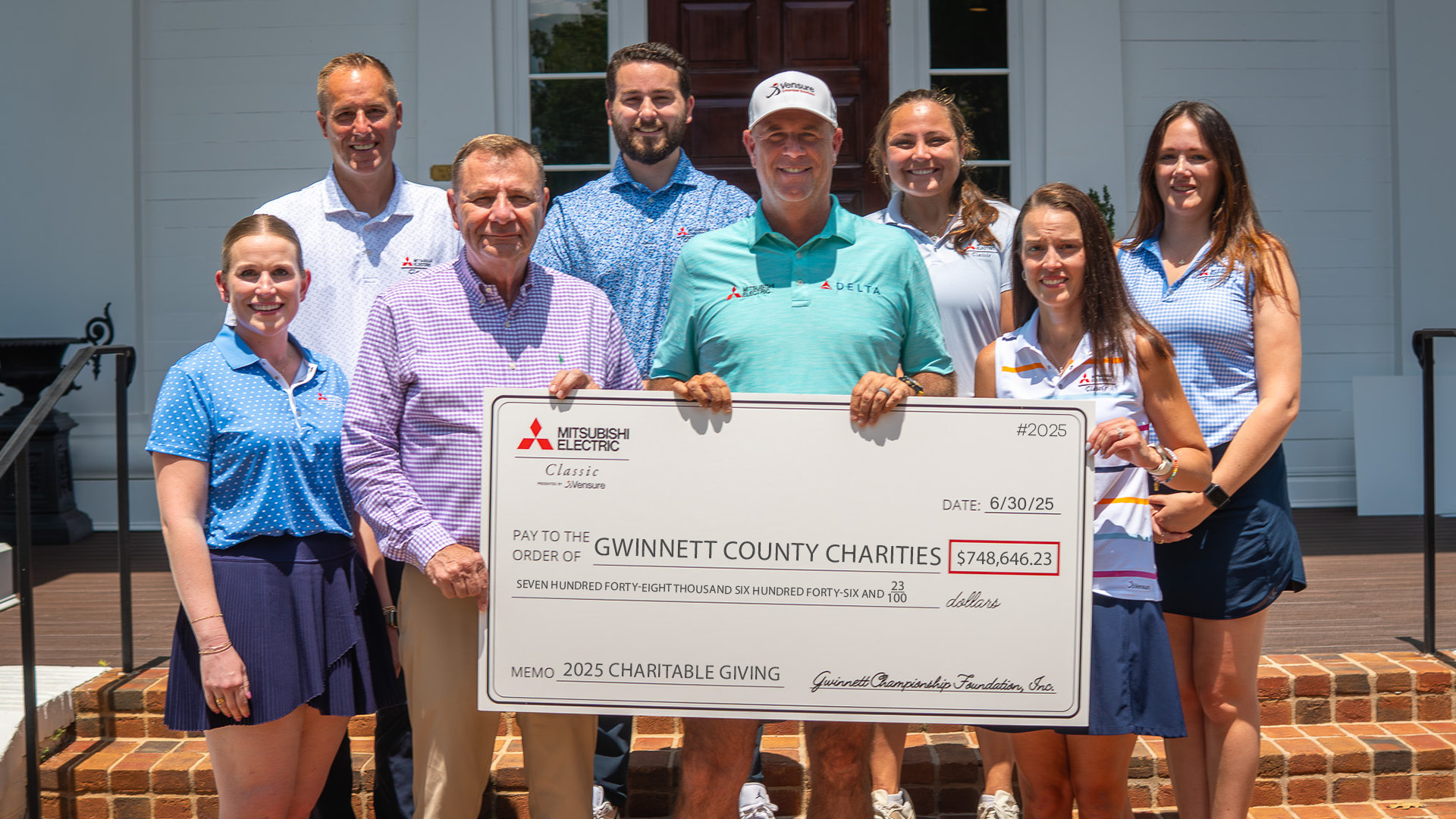
Since 2019, Ashley and her team have worked hard to build an identity for the Mitsubishi Electric Classic where impact is core. One clear example of this is that the tournament continued to give to charity in 2020 due to the COVID‑19 pandemic. Even though there was no event that year, giving is central to what the tournament stands for, so they felt it was important to continue supporting the community during a challenging time.
The tournament published its first sustainability report in 2024, but sustainable best practices had been ingrained long before then. While writing the report, Ashley and her team realized they were already doing a great deal—they simply needed to tell that story more effectively. She encourages others to do the same:
“That’s something I think a lot of tournaments and organizations in general need to understand—they’re already doing a lot of sustainable things. It’s just about how you think about it and how you portray it to the public.”
Examples of this include several changes that originated during the pandemic and were kept because they made better business sense: digital ticketing, signage printed without dates and designed for reuse, and redirectable QR codes replacing printed menus. Another initiative that aligned both sustainability and business value was recycling the high‑density polyethylene (HDPE) mesh used in construction. Ashley and their construction vendor worked together to find a third party that recycled the mesh into landscape edging. Last year they expanded into recycling carpet with a local vendor in Atlanta. The cost was roughly the same—if not slightly higher—than sending it to a landfill, so they opted for the more sustainable option.
Beyond these tangible efforts to reduce environmental impact, Ashley has built strong relationships with sponsors and vendors to help drive sustainability forward. “Partnerships are the multiplier,” she said. “They bring expertise and infrastructure in addition to funding.” She highlighted the construction and catering vendors as key players in amplifying impact through both their procurement choices and their ability to share best practices from other tournaments.
When I asked Ashley about the biggest challenge she has faced in implementing a sustainability program, she pointed to changing people’s behavior at scale. With so many individuals making thousands of small decisions throughout the tournament, consistency is hard to achieve. This is why having partners who understand and are committed to advancing sustainability is essential. Another critical factor is ensuring sustainability is integrated directly into tournament operations. Ashley emphasized that sustainability must be part of the plan—not an add‑on—because in a fast‑paced environment, “If it’s not easy, they won’t do it.”
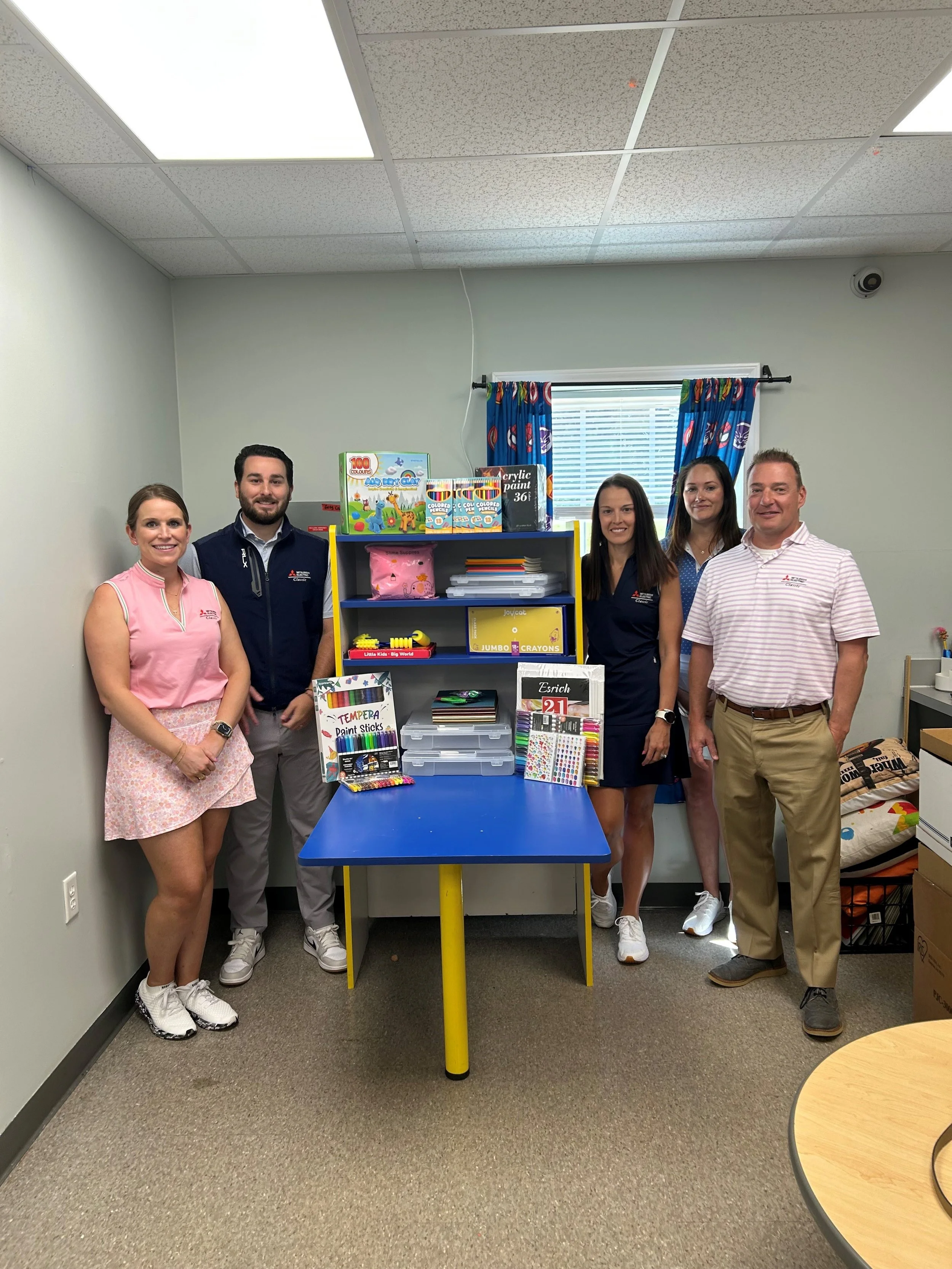
Finally, Ashley has made great headway in bringing her partners on board to help fund sustainability efforts. With little budget dedicated to sustainability, this support is essential for continuing to build the program. Ashley and I discussed the tournament’s Green Partner Program, through which sponsors and vendors can contribute a little extra if they’re enthusiastic about the tournament’s sustainability work. They can round up their sponsorship by adding $250 to $500 toward sustainability to fund initiatives that don’t already have designated sponsor support. The Green Partner Program helps sustain “behind‑the‑scenes” impact initiatives such as food donation, pajama and book drives, adopting families during the holidays, and back‑to‑school supply funding for kids. Partners may only contribute a few hundred dollars each, but together these contributions add up to create a significant impact on the local community.
Ashley’s Key Takeaways for Building a Successful Sustainability Program
It’s not only about what you can reduce, but also what you can give back.
Tournaments are likely already doing more for sustainability than they realize—tell your story.
Prioritize sustainability initiatives that are measurable, repeatable, and supported by partners.
Lock in long‑term partnerships to reduce inefficiencies and build momentum.
Partnerships are the multiplier—work with companies that bring expertise and infrastructure.
Make sustainability initiatives interactive and prioritize those that can happen during the tournament.
Behavior change is hard, so sustainable practices must be integrated into operations, not added on.
Start measurable, start practical, and build momentum from there.
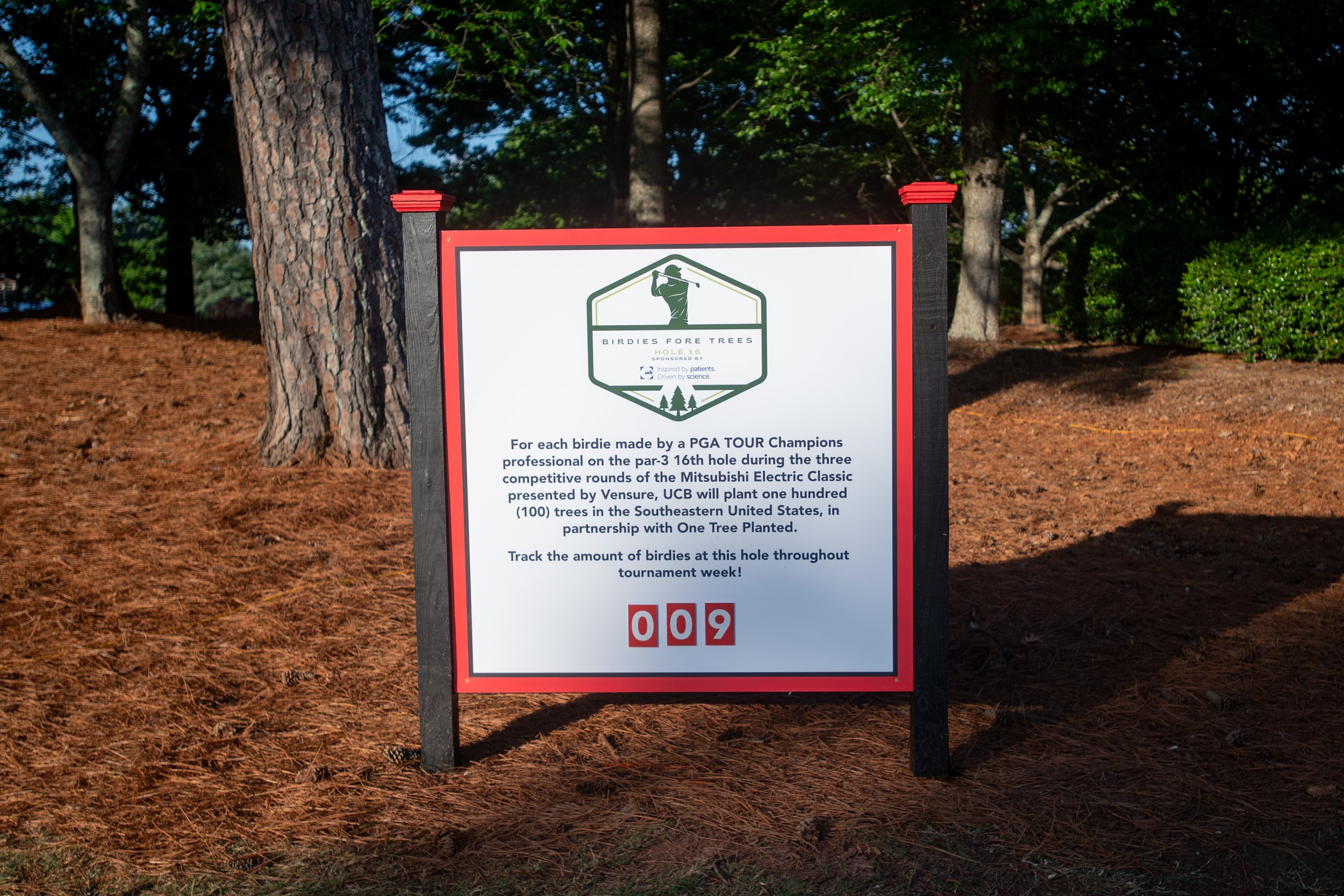
Find the 2025 Mitsubishi Electric Classic sustainability webpage here.
About Ashley
Ashley Hamilton serves as the Senior Tournament Director for the Mitsubishi Electric Classic presented by Vensure, where she leads tournament strategy, operations, marketing initiatives, and community‑impact programming. With more than 14 years of experience across the sports and nonprofit sectors, she specializes in creating high‑impact events that strengthen communities and elevate brand presence.
Ashley joined the Mitsubishi Electric Classic team in 2019, advancing from Assistant Tournament Director to Tournament Director and ultimately Senior Tournament Director in 2023. Her leadership within the organization builds on significant previous experience, including directing youth programming for The First Tee of West Virginia and managing major professional golf and resort events at The Greenbrier and The Greenbrier Classic.
Ashley holds a Bachelors of Science from Duquesne University in Marketing/Sports Marketing. Based in the Atlanta area, she continues to champion community engagement, strategic partnerships, and impactful experiences that extend the tournament’s philanthropic reach.
Connect on LinkedIn with Ashley here.